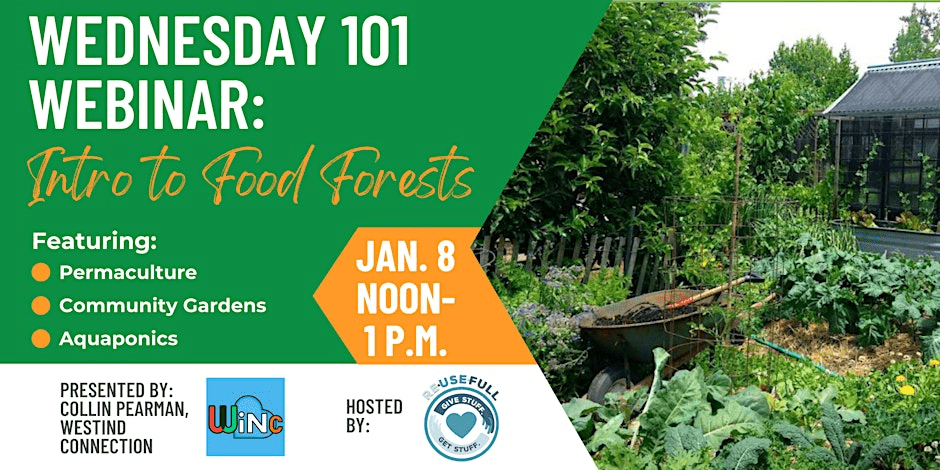
In a quiet corner of Independence, Mo., Collin Pearman is interested in growing more than food—he’s cultivating a movement. As a permaculture advocate and community organizer, Collin, along with a dedicated team of community volunteers with local nonprofit, West iNd Connection, is transforming previously vacant spaces into thriving food forests, empowering individuals to reconnect with nature and addressing systemic challenges like food insecurity and social disconnection one step at a time. His journey is one of resilience, innovation and hope.
From Food Insecurity to Food Forests
Collin’s path to permaculture wasn’t straightforward. As a home-based mental health professional, he spent years driving to meet clients across the metro, helping them navigate complex traumas. But when the pandemic forced a shift to virtual therapy, he faced challenges that hit close to home. Clients who needed in-person care dropped off, and Collin struggled to put food on his family’s table. “I have a master’s degree to help people not lose their lives,” he reflected, “but I couldn’t afford to feed my family.”
Out of necessity, Collin began foraging and gardening. One day, he managed to gather enough greens to make a salad. That humble meal sparked something profound. “I loved it,” he said, “and sharing that food with neighbors and friends brought a sense of connection I’d never experienced before.”
This newfound passion led him to explore sustainable growing methods like aeroponics and vermiculture. Eventually, he connected with the Poiéma Project, a benevolent business incubator, where his idea of a community food forest began to take root.
A Vision for Healing Through Nature
Collin’s work goes beyond growing food; it’s about fostering a deeper connection to nature and community. He believes in the restorative power of the natural world. “When you sit in nature, your mind can relax in ways it can’t indoors,” he explained. “You don’t have to actively try in order to engage with nature. It just pulls you in. This is called passive attention, and this kind of passive attention restores your ability to focus and respond to modern life.”
In practice, this philosophy translates into accessible and sustainable design. A food forest isn’t just a garden—it’s an ecosystem. With layers of fruit trees, shrubs, vines and herbaceous perennials, these spaces provide food, medicine and a refuge for mental well-being. Even a small patch can transform a neighborhood.
Building Community, One Raised Bed at a Time
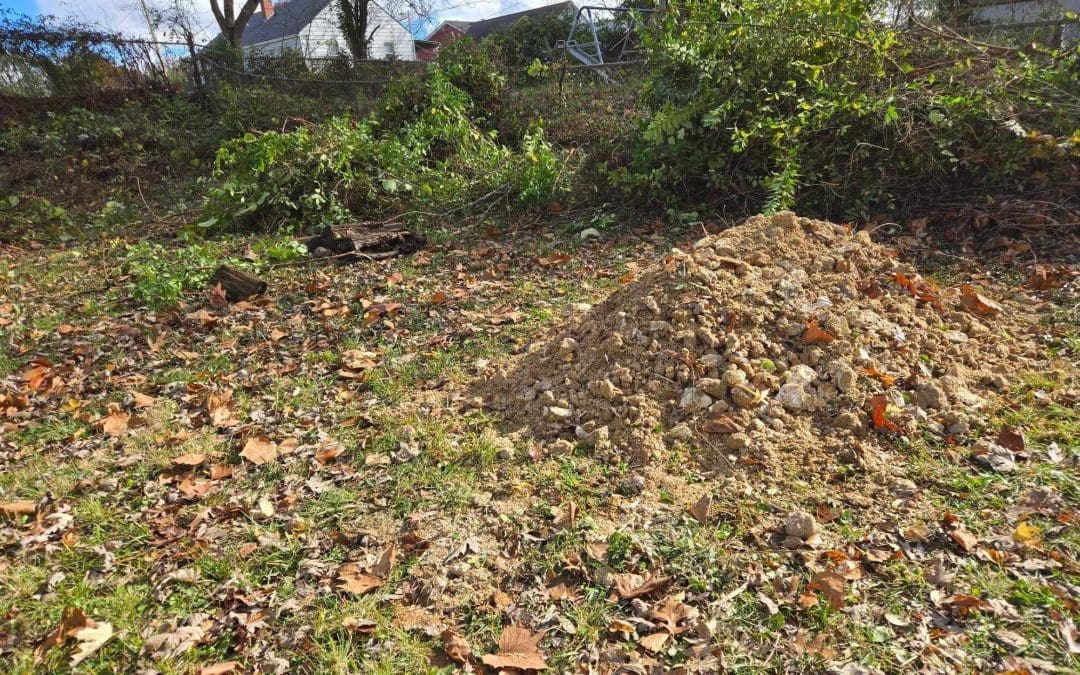
Collin’s current dream, in collaboration with West iNd Connection, embodies this ethos. Located at Hill Park Neighborhood, just a few streets over from the historic Englewood Arts District, the food forest will eventually include multiple permaculture-inspired food forest designs (both intentionally designed to be accessible and aesthetically-pleasing for home-gardeners), raised beds, microgreens operations, a variety of mushroom farming approaches and vocational horticulture training. But the project isn’t just about growing produce—it’s about growing connections.
At community interest meetings, volunteers from all walks of life come together. Describing a recent clean-up day for the house on the property, Collin described how it was “amazing to see a young conservative Christian who might not otherwise have been involved with West iNd Connection, even though this absolutely should not be the case because West iNd Connection is full of people full of love and they add so much good to Independence, but, yeah, seeing this young man, and this older trans individual carrying away a couch together was amazing to me,” Collin shared. “That’s the power of a shared goal for community good.”
The project addresses barriers to participation by providing tools, training and a collaborative approach. For instance, instead of individuals taking home produce, the garden’s surplus is distributed to those in need. This model encourages neighbors to replicate the concept in their own spaces, creating a ripple effect of sustainability.
Overcoming Challenges
Of course, building a food forest isn’t without its hurdles. Funding is a significant challenge, with costs for essentials like fencing and patio construction exceeding $40,000. Collin is resourceful, however. “We’ve gotten creative with donations, from cardboard for composting to Boy Scout troops pitching in for Eagle Scout projects,” he said.
Volunteers are also crucial to the project’s success. Tasks like turning compost piles and preparing beds are shared responsibilities, fostering a sense of ownership and community pride.
Looking to the Future
Collin envisions a future where every neighborhood has its own food forest—a hub of resilience, connection and abundance. “The little bits we do matter,” he said, echoing the oft-told story of a man inspired by a little girl saving starfish suffocating on a beach by throwing as many as she could back into the ocean: “We’re not just growing food; we’re growing hope.”
For those inspired to get involved, the project welcomes volunteers, donations and support. A seed-starting party is planned for late-February at the WiNc Inclusion Center and Bookstore. To volunteer to be part of the Community Garden Project or get updates via the project’s newsletter, email Jen at jedmonson[at]westindconnection[dot]com or visit their Facebook group, The Food Forest Connection, and the West iNd Connection website to stay informed on their progress.
As Collin continues to nurture this vision, his food forest stands as a testament to the power of community and the healing potential of nature. Whether it’s planting a single tomato vine or joining a workday, everyone can play a role in creating a sustainable future.
For more information on the West iNd Connection, see their website: https://westindconnection.com/.